A Detailed 10-Day Itinerary for Thailand
Planning a ten-day journey through Thailand offers an opportunity to experience the country’s contrasting landscapes, from bustling urban centers to mountainous northern regions and tropical southern coastlines. While a decade could easily be spent exploring every corner of the kingdom, a well-structured ten-day route can provide a meaningful introduction to its cultural and natural highlights. This article outlines one possible sequence of destinations and activities, focusing on Bangkok, Chiang Mai, and an island in the south, while emphasizing practical considerations such as transport connections and time management.
The itinerary presented here is designed as a framework rather than a rigid schedule. Travelers may adjust the pace, skip or add locations, or extend stays based on personal preferences and seasonal factors. The sequence assumes an efficient use of domestic flights, which are common and relatively affordable, to reduce travel time between distant regions. By organizing each day around a central theme or area, the plan aims to balance exploration with moments of rest, without presuming any specific outcomes in terms of enjoyment or discovery.
Important external factors, including weather patterns, local holidays, and availability of transport, can influence the feasibility of any travel plan. For this reason, flexibility remains a key component of the approach described below. The following sections break down the itinerary into three main geographic blocks, each followed by notes on logistics and preparation that may help travelers make informed decisions during their journey.
Days 1–3: Discovering Bangkok’s Urban and Historical Layers
The first three days are typically spent in Bangkok, Thailand’s capital, where a mix of grand temples, vibrant markets, and modern infrastructure creates a dense urban experience. A possible starting point is the historic Rattanakosin district, home to the Grand Palace and Wat Phra Kaew, the Temple of the Emerald Buddha. These sites are often visited in the morning to avoid peak heat and crowds. Nearby, Wat Pho, known for its reclining Buddha and traditional massage school, offers a quieter yet equally significant cultural stop.
Afternoons might be devoted to exploring the city’s riverside life along the Chao Phraya River. A short ferry ride can lead to Wat Arun, the Temple of Dawn, which provides a different perspective of the skyline. For those interested in local commerce, the floating markets on the outskirts, such as Damnoen Saduak, are accessible via guided tours or public transport, though they require an early start and a full morning commitment. Evening hours could involve a walk through Yaowarat, Bangkok’s Chinatown, where street food stalls and gold shops line the narrow alleys.
Day three might shift focus to contemporary Bangkok, with visits to markets like Chatuchak Weekend Market (if the timing aligns) or the Jim Thompson House, a museum of Thai silk and traditional architecture. Alternatively, the city’s sky bars and rooftop restaurants provide a modern contrast, though they are typically more crowded and expensive. Throughout these days, travelers should consider using the BTS Skytrain and MRT subway for efficient navigation, as traffic congestion can significantly delay road-based travel. Accommodation options range from budget hostels along Khao San Road to mid-range hotels in Sukhumvit, each offering different levels of access to the city’s attractions.
Days 4–6: Cultural Immersion in Chiang Mai and the Surrounding Highlands
On day four, a morning flight from Bangkok to Chiang Mai opens the northern segment of the itinerary. Chiang Mai, the largest city in northern Thailand, is surrounded by mountains and serves as a gateway to hill tribe villages, elephant sanctuaries, and forest hikes. Upon arrival, a common activity is to explore the old city, which is enclosed by a moat and remnants of ancient walls. Within this area, dozens of temples such as Wat Chedi Luang and Wat Phra Singh offer insight into Lanna architecture and Buddhist practices.
Day five could be dedicated to a day trip outside the city. Options include visiting an ethical elephant sanctuary that prioritizes animal welfare, or participating in a cooking class that teaches how to prepare regional dishes like khao soi. The choice between these activities depends on individual interests and the willingness to travel about an hour from the city center. For those seeking nature, Doi Suthep, a mountain just west of Chiang Mai, features a revered temple and panoramic views; reaching the top involves either a challenging hike or a songthaew ride.
The sixth day might involve a more immersive experience, such as a multi-stop tour to the Doi Inthanon National Park, which includes Thailand’s highest peak, waterfalls, and local markets. Alternatively, travelers could visit artisan villages specializing in handmade umbrellas, silverware, or silk. The evening can be spent at the Chiang Mai Night Bazaar, where handicrafts and street food create a lively atmosphere. Since Chiang Mai’s climate can be smoky during the burning season (typically February to April), checking air quality forecasts before planning outdoor activities is advisable.
Days 7–10: Coastal Relaxation and Island Exploration in Southern Thailand
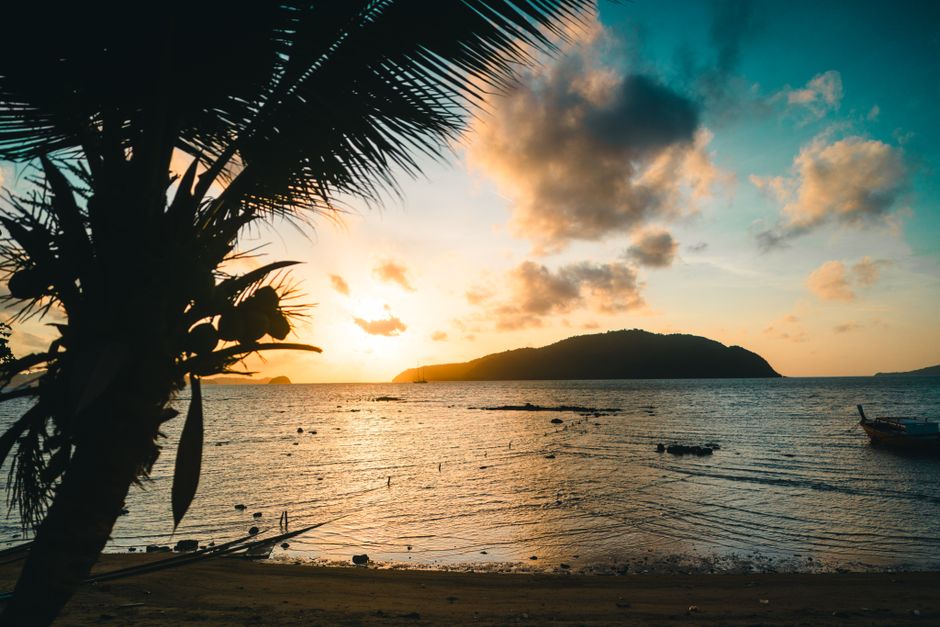
The final leg of the journey moves south, with day seven involving a flight from Chiang Mai to a southern hub such as Phuket, Krabi, or Koh Samui, depending on the chosen island. For this itinerary, the focus is on one island to minimize transfers and maximize time at the beach. Koh Lanta, located in the Andaman Sea, offers a relatively quiet environment with long sandy beaches and a relaxed pace. Upon arrival, settling into accommodation near the western coast allows easy access to sunset views and dining options along the shore.
Days eight and nine can be spent exploring the island and its surrounding waters. A typical day might include a snorkeling trip to nearby reefs or a visit to the Mu Koh Lanta National Park, which covers the southern tip of the island and features hiking trails through jungle terrain. Alternatively, a boat excursion to the Emerald Cave or the islands of Koh Ngai and Koh Muk provides opportunities for swimming and exploring hidden lagoons. Travelers should note that sea conditions and monsoon seasons affect the accessibility of these trips; the high season from November to April is generally more favorable for calm seas.
The final day, day ten, is usually reserved for travel back to an international departure point. From Koh Lanta, a combination of road and ferry transfers leads to Krabi or Phuket airports, where flights connect to Bangkok or directly overseas. This last day should be planned with ample buffer time, as ferry schedules can shift and road traffic may cause delays. For those with evening flights, a relaxed morning on the beach is possible, provided that departure logistics are confirmed in advance.
Transportation Connections and Practical Considerations
Moving between these three regions requires careful attention to transport options. Domestic flights are the most time-efficient way to cover long distances; airlines such as Thai AirAsia, Nok Air, and Bangkok Airways operate frequent routes between Bangkok, Chiang Mai, and southern airports. Booking flights several weeks in advance can yield lower fares and better seat availability. For shorter distances within cities, taxis, tuk-tuks, and ride-hailing apps like Grab provide flexible transportation, though prices should be agreed upon before starting a trip to avoid misunderstandings.
Ferries and minibuses connect islands to mainland piers, but schedules can vary by season. When planning island transfers, travelers are advised to confirm departure times with local operators a day ahead. In Chiang Mai, renting a motorbike is a common way to explore the countryside, but this requires a valid international driving permit and a comfortable familiarity with local traffic patterns. For those who prefer not to drive, private drivers or organized tours are widely available through hotels and travel agencies.
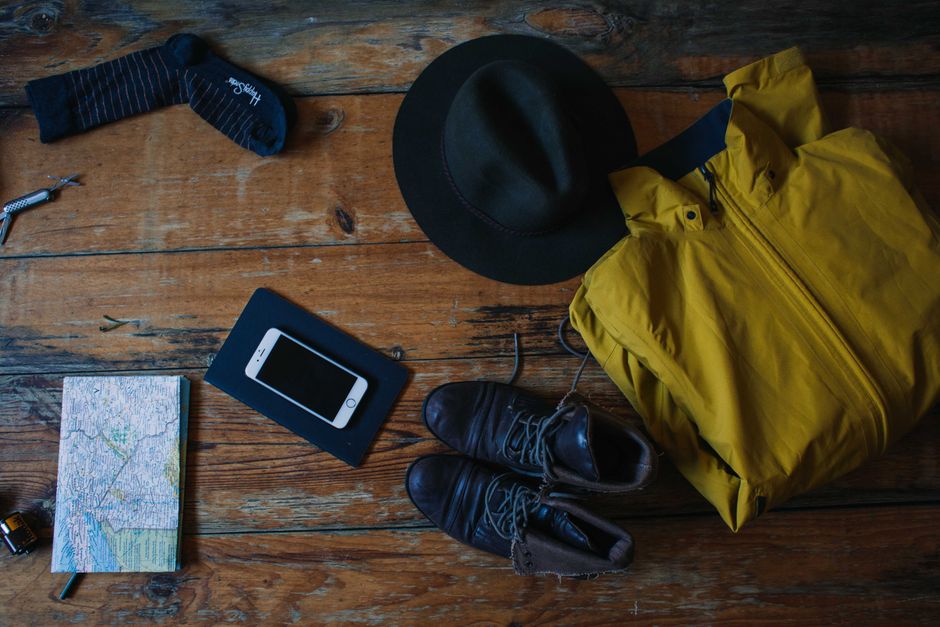
Packing for this itinerary involves preparing for varied climates. Bangkok and southern islands are generally hot and humid, requiring lightweight clothing, sun protection, and insect repellent. Chiang Mai, especially in the cooler months from November to February, can have pleasant daytime temperatures but cooler evenings, so a light jacket may be useful. Modest attire covering shoulders and knees is required when entering temples, and comfortable walking shoes are essential for city sightseeing and hiking. Additionally, keeping digital copies of important documents, such as passports and flight confirmations, can ease unexpected situations.
This itinerary is a suggestion based on common travel patterns and does not constitute a personalized recommendation. Travel conditions, personal health, and individual preferences should be considered when making final arrangements. The information presented here is intended to support independent planning, not to replace the advice of travel professionals or local authorities.